Whiskers Before Wishes Design
A Whimsical Cat Face That Stitches With Intention
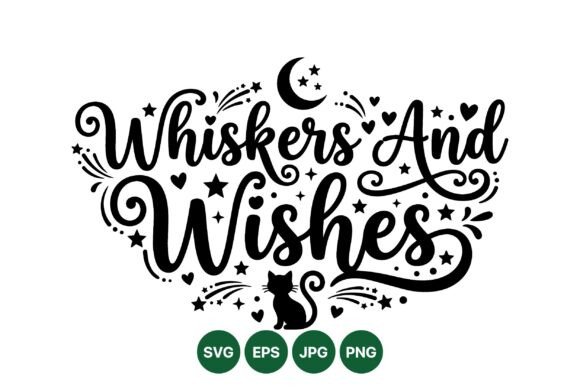
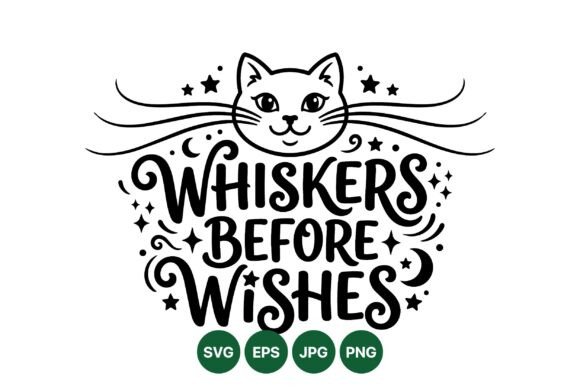
First impression? This isn’t just another cat motif—it’s a quiet moment of charm, balanced and intentional. The Whiskers Before Wishes Design lands with soft confidence: a centered cat face rendered in clean black-and-white line work, whiskers stretching outward like gentle rays, framing hand-lettered text that feels handwritten but never sloppy. Stars and moons nestle between the curves—not as clutter, but as punctuation. It reads like a lullaby in stitch form. As an embroidery designer who’s stitched hundreds of cat-themed pieces for boutique clients and Etsy sellers, I immediately saw where this design belongs: on items meant to be held, gifted, and cherished—not just worn, but felt.
Where It Shines in Real Embroidery Projects
I tested Whiskers Before Wishes Design on a natural linen tea towel for a local kitchen goods shop—and it landed perfectly. The open layout gave the stitches room to breathe; the lettering stayed legible at 3.5 inches wide without thinning out or collapsing. On a medium-weight cotton sweatshirt? Equally strong. The whiskers read clearly in satin stitch, and the stars held shape without overfilling. It also translated beautifully into an embroidered patch for a small-batch apron line—clean edges, no fraying, and enough visual weight to stand alone on denim or canvas.
This design excels in contexts where personality matters more than flash: baby onesies (softened with low-density fill stitch), nursery pillow covers (where contrast and clarity soothe rather than shout), and personalized tote bags for indie bookshops or cat cafés. As a digital embroidery file, it’s versatile—not too dense, not too sparse—making it ideal for craft business owners who need consistent results across machines and skill levels. For Etsy sellers, it adds quiet sophistication to listings: think “hand-stitched charm” instead of “cute cat graphic.”
Where to Pause—and Plan Ahead
Don’t rush this one onto stretchy fabric like jersey tees without testing. The lettering’s delicate curves can distort if tension or stabilizer isn’t dialed in. On dark fabric, confirm your thread color choice early—the design relies on crisp contrast, so off-black grays or charcoal may mute the whimsy. And while the stars and moons are small, they’re not micro-detail; still, avoid hooping them below 2.5 inches without verifying stitch integrity on scrap fabric first.
Caps and curved surfaces demand extra attention: the outer whiskers extend far enough that placement near seams or crowns could cause puckering or misalignment. If you’re planning a commercial embroidery run for holiday gifts or boutique branding, map the hoop size against your base garment first. Also note—this is an illustration-style graphics file, not an applique design. There’s no built-in fabric layering, so don’t expect raw-edge texture unless you add it manually.
What It Adds to Your Finished Product
Whiskers Before Wishes Design lifts perceived value without shouting. Customers notice the care in spacing—the way the moon tucks behind the cat’s ear, how the “w” in wishes echoes the curve of a whisker. That kind of subtlety builds trust: it signals craftsmanship, not clipart. For handmade product sellers, that translates directly to higher perceived quality, better photo mockups, and stronger repeat engagement. On a printable mockup for your Etsy listing, it reads as intentional branding—not generic decoration.
It also supports brand consistency beautifully. Whether used across a set of baby embroidery kits, a series of seasonal kitchen towels, or as part of a small shop’s gift bundle, the design holds its voice: warm, grounded, quietly magical. It doesn’t compete with your logo or overwhelm your packaging—it complements. And because it’s black and white, it adapts seamlessly to both light and dark thread palettes, giving you flexibility without redesign.
Practical Designer Notes You’ll Actually Use
- Always test on scrap fabric first—especially with textured weaves like burlap or slubbed linen, where fine lines can disappear.
- Check thread color contrast before stitching on dark or heathered fabric. A true black thread reads differently than matte charcoal.
- Review stitch density in your embroidery software—if fill areas feel heavy, reduce density by 5–10% for breathable fabrics like baby cotton.
- Confirm hoop size compatibility before digitizing for caps or curved garments. The extended whiskers mean width matters more than height.
- Inspect small details at actual stitch size: zoom in on stars and letter terminals to ensure running stitch transitions stay smooth.
- Test in black-and-white mockups—not just color—to verify readability and balance on your intended background.
- Use proper stabilizer: medium-weight cutaway for knits, tear-away for stable wovens, and lightweight fusible for delicate baby items.
- Verify licensing before selling finished items or bundling the digital embroidery file—this is essential for Etsy sellers and craft fair vendors.
Final Thought: A Design That Grows With Your Craft Business
Whiskers Before Wishes Design isn’t loud—but it’s memorable. It’s simple—but not basic. As a machine embroidery design, it bridges personal and commercial use without compromise. I’ve seen too many “cute cat” files fall flat after washing or shrinkage; this one holds up because its strength is in proportion and restraint. Whether you’re stitching custom apparel for a local pet rescue fundraiser, building a signature line of nursery decor, or adding a thoughtful detail to a holiday gift set, Whiskers Before Wishes Design earns its place—not as filler, but as finish.